Why Pharmaceutical Packaging Strategy Should Begin Earlier in the Commercialisation Journey
Traditionally, Pharmaceutical packaging was regarded as one of the final activities completed before a product enters distribution. However packaging can no longer be treated as a standalone, late stage consideration, as drug products, global markets and patient requirements become more complex. Now, packaging is at the forefront of the commercialisation journey.
Conversations and decisions relating to pack format, components, artwork, serialisation and distribution can influence regulatory compliance, manufacturing efficiency and launch readiness. Addressing these requirements early in the commercialisation journey can help sponsors identify potential risks and establish a more coordinated route to market.
Packaging as Part of Product Commercialisation
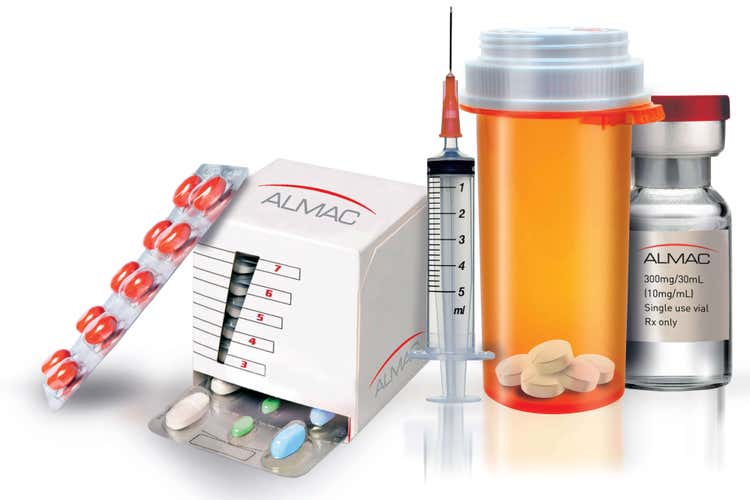
Modern drug product portfolios can involve multiple dosage forms, launch volumes, patient populations and market presentations. A sponsor may require a small initial quantity for a niche therapy, followed by increased production as demand grows. Alternatively, one product may need several stock-keeping units, or SKUs, to accommodate country-specific languages, labelling and regulatory requirements.
These factors make packaging a strategic component of drug product commercialisation as the selected packaging model must be capable of supporting the product’s immediate requirements- whilst also remaining flexible enough to respond to future changes.
- Early planning allows sponsors and their packaging partners to consider questions such as:
- Which packaging format best protects the product?
- How many market-specific presentations will be required? Are specialist components, tooling or assembly processes needed?
- How will artwork and serialisation requirements affect the pack design?
- Can the packaging process scale as commercial demand develops?
Considering these questions early can provide greater visibility of the activities, dependencies and lead times involved.
Supporting Efficient Global Product Launches
Launching a pharmaceutical product across multiple territories introduces additional complexity. Regulatory requirements, artwork, serialisation models and reporting obligations may differ between markets. Printed components must also be available at the right time and in the correct quantities.
When packaging requirements are assessed too late, sponsors may encounter artwork changes, component delays, or challenges establishing data connections. These issues can create avoidable pressure as the proposed launch date approaches.
It is vital that a global product launch strategy brings together packaging, quality, regulatory, supply chain, artwork and serialisation specialists. This collaborative approach helps ensure that the physical packaging, associated data and market requirements are considered as one connected programme- leading to a successful product launch.
Designing for Flexibility and Scale
The fastest or most automated packaging option is not always the most appropriate choice. High-speed equipment can be effective for an established product with predictable demand, while lower-volume products, specialist kits or country-specific packs may need a more adaptable model.
Flexibility can involve combining automated and manual activities, planning efficient changeovers, reserving suitable capacity and selecting packaging components that can support more than one market or presentation.
It is important to also consider how packaging requirements may evolve throughout the product lifecycle. A solution that accommodates both initial launch quantities and future commercial growth can reduce the need to redesign the packaging process as demand changes, allowing for quicker turnaround and launch readiness.
The Value of an Integrated Packaging Partner
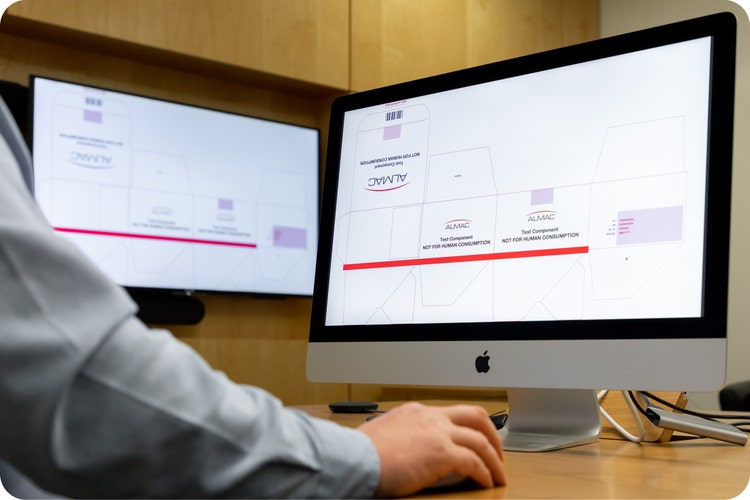
Working with an experienced pharmaceutical packaging partner can help sponsors connect technical, operational and commercial requirements. Early collaboration creates an opportunity to review pack designs, identify potential manufacturing challenges and coordinate the activities required for commercial supply.
Packaging may be the final manufacturing stage before distribution, but discussions surrounding packaging should take place early in product planning. Engaging in these early discussions can reduce risk, improve launch readiness and establish a more flexible foundation for long-term commercial supply.
Planning your commercial packaging strategy? Speak with our experts to explore how early packaging decisions can support a smoother, more flexible route to market.