Enzyme Engineering
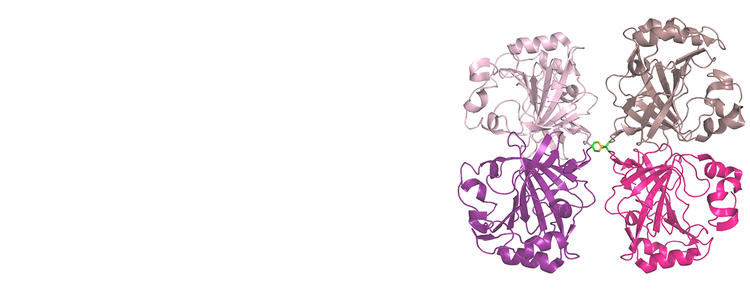
Enzyme Engineering Services
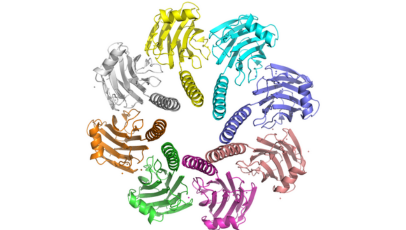
Publications
Examples of where Almac enzyme engineering technology was used to improve an enzyme
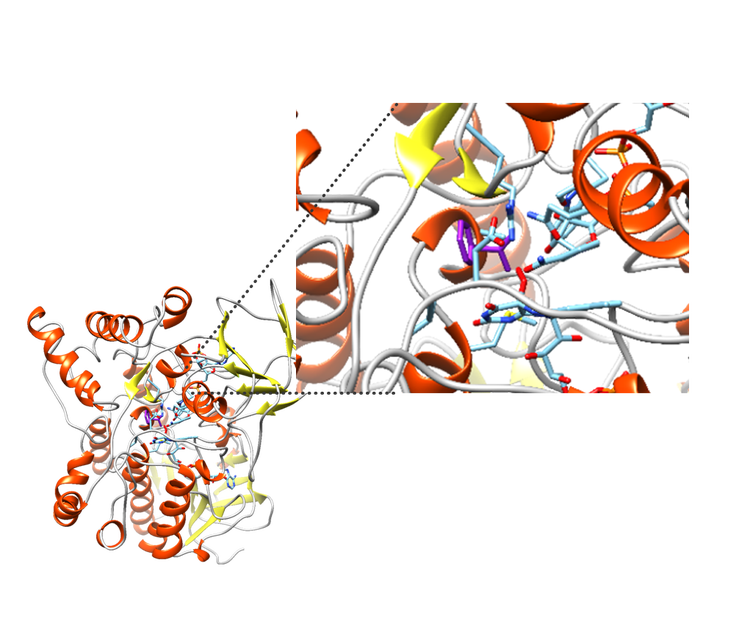
Rational enzyme design
Using molecular modelling, molecular docking, molecular dynamics, quantum mechanics and bioinformatic tools to rationally engineer enzymes.
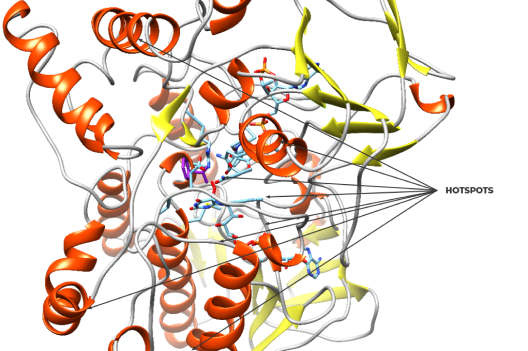
Smart site saturation mutagenesis
Using computational chemistry and bioinformatic tools to sample the sequence space of an enzyme for site saturation mutagenesis.
Directed evolution
Using site-specific and random mutagenesis in combination with high throughput screening methodologies to rapidly identify new improved mutants.

AI-assisted enzyme design
Machine learning and deep learning are used to design enzymes with the desired properties.

Almac biocatalysis solutions offers enzyme engineering services for pharmaceutical and industrial enzyme applications.
Enzymes are the foundation of all biochemical reactions and life. Enzymes work by decreasing activation energy of all biochemical reactions in living organisms. Enzymes are classified into seven categories according to the types of reactions they carry out: EC 1 Oxidoreductases; EC 2 Transferases; EC 3 Hydrolases, EC 4 Lyases, EC 5 Isomerases, EC 6 Ligases, EC 7 Translocases.
Enzyme engineering is the process of improving enzymes for various industrial applications such as those found in the pharmaceutical, fine chemical, agriculture, biofuels, textiles, F&F and food processing industries. Key enzyme properties include selectivity, activity, process tolerance, and thermostability. Please click on the links above or make an enquiry to find out more about some of the enzymes engineered by Almac biocatalysis.